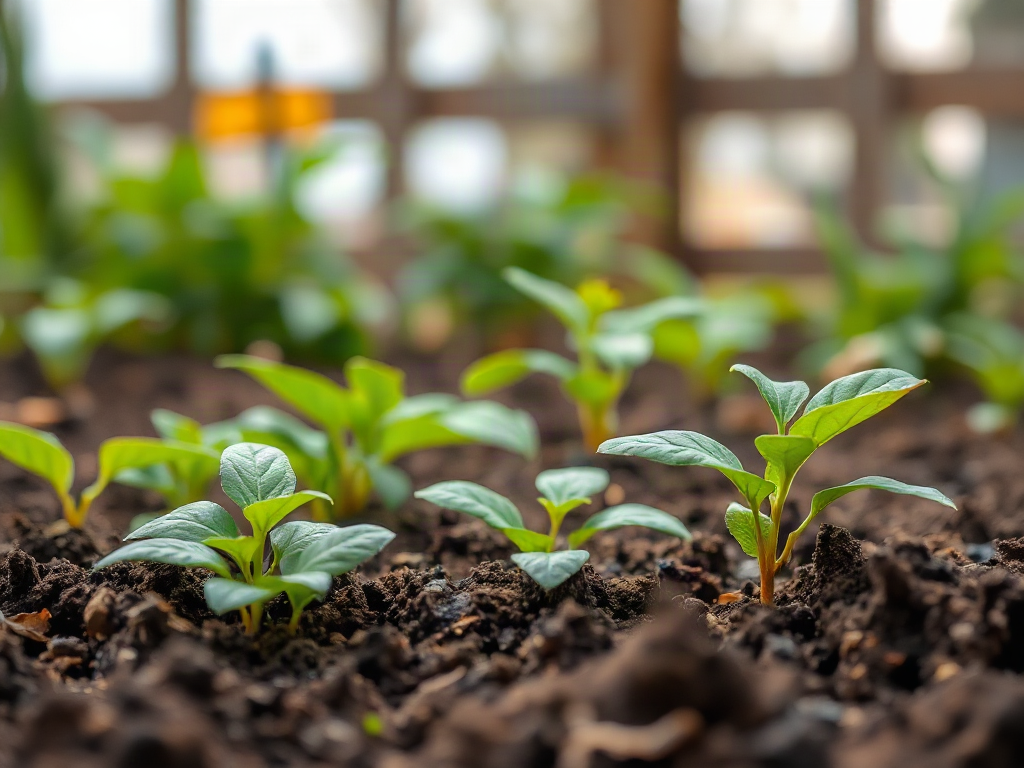
Identify Weeds Before Choosing a Control Method
Weed identification determines whether pulling, cutting, smothering, or careful cultivation will actually reduce the problem. A plant that reproduces mainly by seed responds differently from one that returns from creeping roots, rhizomes, bulbs, or underground crowns. Beginners do not need to recognize every species immediately, but they should determine whether a weed is an annual, biennial, or perennial before disturbing it.
Annual weeds complete their life cycle through seed production. Young plants are usually easy to hoe or pull, and repeated removal before flowering steadily reduces future seed input. The difficulty is timing: an annual allowed to mature can replace itself with another generation. When flowers or seed heads appear, collect the plant rather than dropping it where mature seed may remain viable.
Biennials commonly form a low rosette during their first season and produce a flowering stalk later. Cutting only the stalk may leave enough crown tissue for regrowth. Removing or severing the crown below the soil surface is more dependable. Perennial weeds require more persistence because underground structures can survive top removal. Digging may work for an isolated taproot, while repeated cutting is often more realistic for a large patch whose roots cannot be removed cleanly.
Observe how the plant grows before acting. A single central root suggests a different removal job than a mat of connected shoots. Check whether the soil is moist enough for roots to release, whether seed heads are present, and whether pulling will disturb nearby crop roots. Photographing the leaves, stem, flower, and whole plant can make later identification through a regional extension resource easier.
A common failure is assuming every unwanted plant should be eradicated immediately. Some volunteer plants protect bare soil, support insects, or indicate a wet, compacted, or frequently disturbed site. Their presence still may be unacceptable in a vegetable row, around an electric fence, or near livestock feed, but the location changes the decision. Unknown plants that could be toxic to livestock warrant identification before grazing, composting, or handling.
Start with a simple field check:
- Life cycle: Is it producing seed once, forming a second-year stalk, or returning from established roots?
- Spread: Does it occur as separate seedlings or connected patches?
- Growth stage: Is it small, flowering, or already carrying mature seed?
- Site: Is it competing with crops, obstructing fencing, or merely covering unused ground?
That short assessment prevents wasted labor and helps keep an ordinary weed problem from becoming a soil-disturbance problem.
Which Weed Removal Method Fits Each Homestead Area?
The best removal method is the least disruptive option that can be repeated at the necessary scale. Hand-pulling is precise around seedlings and perennial plants, but it becomes impractical across a field. A stirrup hoe can clear young weeds between vegetable rows quickly, while mowing controls height and seed production in lanes, fence margins, and rough ground without exposing much soil.
Pull weeds when the ground is damp rather than saturated. Grasp near the soil line and lift steadily to reduce breakage. For a taproot, loosen the surrounding soil with a fork or narrow digging tool first. Avoid wrenching large weeds from directly beside young crops; the weed roots can lift or tear the crop root zone. In that situation, cutting the weed at soil level may cause less damage, even if another cut is needed later.
Hoeing works best on dry, sunny days when weed seedlings are small. Keep the blade shallow so it slices stems just below the surface without bringing a fresh layer of buried seed upward. Deep, repeated cultivation may look thorough, but each pass disturbs soil structure, dries the seedbed, and can expose additional weed seed. It can also chop spreading perennial roots into pieces capable of regrowth. A hoe is therefore well suited to annual seedlings and poorly suited to an unidentified creeping perennial.
Mowing does not remove roots, yet it can stop tall weeds from shading useful plants and may prevent seed maturation when performed early enough. It is a practical choice in orchard alleys, paths, and pasture edges. Mow before seed heads harden, then inspect the area for plants that flower below mowing height. Repeatedly cutting perennials can weaken them over time, but irregular mowing may simply keep the patch alive at a shorter height.
| Homestead Area | Useful First Method | Main Limitation |
|---|---|---|
| Vegetable rows | Shallow hoeing or hand-pulling | Deep work can damage crop roots |
| Permanent beds | Pulling followed by mulch | Mulch will not kill every established perennial |
| Paths and work areas | Cardboard and coarse mulch | Edges need periodic maintenance |
| Orchard alleys | Mowing or managed ground cover | Competition near young trees still needs control |
| Fence lines | Cutting, trimming, or targeted removal | Hardware and wire restrict equipment access |
Herbicides should not be treated as the automatic next step when manual control is inconvenient. Product suitability depends on the weed, site, nearby crops, livestock access, weather, and label directions. If one is considered, identify the plant first, read and follow the entire label, protect desirable vegetation, and confirm any grazing, harvest, or re-entry restrictions. Broad application is a poor substitute for fixing bare soil, neglected borders, or repeated seed introduction.
How Do Mulch and Ground Cover Suppress Weeds?
Mulch suppresses many weeds by blocking light at the soil surface and making newly germinated seedlings easier to remove. It works most reliably after existing weeds have been pulled, cut, or smothered. Spreading a thin decorative layer over established plants rarely solves the underlying problem; perennial shoots may push through, and annual seedlings can root in decomposed material on top.
In annual vegetable beds, clean straw, shredded leaves, or other suitable organic material can protect soil between crops. Keep mulch away from direct contact with tender stems and inspect it after wind or heavy rain. Material that becomes patchy no longer blocks light evenly. Organic mulch gradually breaks down, which benefits soil cover but also means it must be renewed and may eventually provide a germination surface for windblown seed.
Wood chips are particularly useful on paths and around established perennial plantings, but they are not the same as incorporating woody material into a vegetable seedbed. Leave them on the surface rather than mixing them through the root zone. Newly planted trees and shrubs still need open space around their trunks, and mulch piled against bark can conceal moisture problems or rodents. A broad, level layer is more useful than a mound.

Cardboard beneath coarse organic mulch can help convert a weedy path or small patch of turf. Remove tape and labels, overlap seams, wet the cardboard, and cover it so wind cannot lift the edges. This method is less suitable where aggressive perennial roots can enter from the sides or where water movement and soil drainage are concerns. Plastic sheeting and landscape fabric create different maintenance issues: exposed edges tear, soil accumulates above fabric, and weeds may root through it, making later removal difficult.
Living cover is often the better choice when soil should not remain bare. Closely managed clover, grasses, or regionally appropriate cover crops can occupy orchard alleys, resting garden plots, and other open ground. They still compete for water and nutrients, so keep vigorous vegetation away from young crop plants and tree trunks. In a dry season, a living cover may require mowing or termination earlier than expected.
A useful test is to inspect beneath the cover rather than judging only from above. Successful suppression produces pale, weak seedlings and fewer open gaps. Failure shows up as vigorous perennial shoots, weeds emerging along seams, or a mulch layer thinning enough to expose soil. Correct the gap while it is small instead of adding material blindly across the entire area.
Build a Seasonal Weed-Control Routine
A short, repeated weed patrol requires less labor than occasional large cleanups. The priority is to interrupt reproduction while plants are small, not to make every corner look bare. Walk vegetable beds, propagation areas, fence lines, and animal yards on a regular schedule during active growth, then adjust the interval according to rainfall, temperature, and how quickly weeds are approaching flowering.
Early in the season, mark established perennial patches before surrounding growth hides them. Remove isolated plants while the soil is workable, sharpen hoes, and prepare mulch before crops fill the beds. A shallow pass through a row of tiny annual seedlings may take minutes; waiting until those plants are rooted among vegetables turns the same area into careful hand labor.
During peak growth, divide the homestead into management zones. Give the highest priority to weeds that are seeding, interfering with young crops, contacting electric fencing, obstructing irrigation, or posing a possible livestock concern. Paths and distant borders can wait if the plants are not reproducing or creating an operational problem. This triage matters when weather, harvest, and animal chores compete for the same work period.
- Stop seed first. Bag or securely contain mature seed heads instead of carrying them uncovered across the property.
- Protect high-value plantings. Clear close competition around seedlings, transplants, and young perennial crops.
- Cover disturbed soil. Apply mulch, establish an intended ground cover, or promptly replant the cleared area.
- Recheck persistent patches. Record where perennial shoots return and repeat the chosen control before they rebuild substantial top growth.
Disposal should reflect plant condition. Young, seedless annual weeds may be suitable for a managed compost system, but plants carrying mature seed or viable creeping roots require more caution. A cool or poorly managed pile may not destroy either. Local disposal rules and available facilities vary, so avoid dumping problem weeds along roadsides, stream banks, or property edges where they can establish unnoticed.
Keep a basic record of location, date, method, and result. A phone photo taken from the same point can show whether a patch is shrinking, spreading, or merely staying short. Fewer flowering stems, smaller patches, and easier follow-up removal indicate progress. Continued emergence after cultivation may signal that buried seed is being exposed, while rapid shoots from the same area suggest surviving perennial roots.
The common scheduling mistake is measuring success by a single clean day. Weed pressure reflects accumulated seed, soil disturbance, weather, and adjacent vegetation, so improvement is usually gradual. A workable routine reduces seed return this year, protects productive areas, and steadily replaces bare ground with crops, mulch, or intentional cover.
Frequently Asked Questions
Should I pull weeds before or after rain?
Pull after light rain or irrigation when soil is moist but not waterlogged. Roots release more easily, while avoiding saturated ground reduces compaction and prevents clumps of valuable topsoil from being removed.
Can I leave pulled weeds on the soil?
Small annual weeds without developed seed can often dry on the surface. Remove plants with mature seed heads, fleshy roots, bulbs, rhizomes, or stems capable of rerooting.
How often should a garden be weeded?
Inspect active beds at least weekly during rapid spring and summer growth, with extra checks after rain. The useful interval is the one that catches weeds before flowering and before their roots become entangled with crops.
Does vinegar make a safe natural weed killer?
Vinegar can burn contacted foliage but may not kill established roots, and it can injure desirable plants. Concentrated products can also pose handling risks, so “natural” should not be assumed to mean harmless or site-appropriate.
Is tilling the fastest way to clear a weedy plot?
Tilling can quickly clear annual top growth, but it also exposes buried seed and may spread root fragments from perennial weeds. Identify dominant weeds before deciding whether shallow cultivation, mowing, smothering, or tillage is the better preparation method.
Conclusion
Effective weed management begins with observing how a plant reproduces and deciding how much control its location actually requires. Give immediate attention to weeds setting seed, competing with young crops, obstructing farm systems, or creating an unresolved livestock risk. Use shallow cultivation for small annuals, careful digging for isolated rooted plants, mulch for protected soil, and mowing where acreage makes hand removal unrealistic.
Choose one problem area first and record what grows back after treatment. Cover the cleared soil rather than leaving a fresh seedbed, and inspect edges where weeds commonly re-enter. A clean-looking afternoon is less valuable than a method that can be repeated before flowering. Over successive seasons, preventing seed return and maintaining intentional soil cover should reduce emergency cleanup while preserving time for crops, animals, and other homestead work.